How to Store Loose Leaf Tea and Keep It Fresh
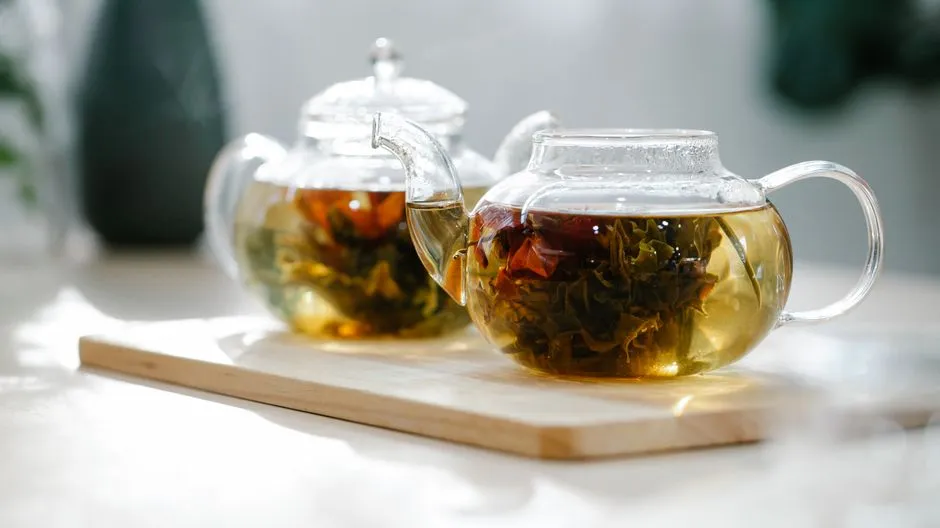
Tea storage is a five-enemy problem
Store loose leaf tea in a clean, airtight, opaque container in a cool, dry, dark cupboard. Keep it away from heat, light, moisture, air, and strong smells. Those are the five things that flatten aroma, push unwanted change, or, in the case of moisture, create a spoilage risk.
The best container can be a proper double-lidded tea caddy, an opaque jar with a sound gasket, or the high-barrier resealable pouch the tea arrived in. The glamorous answer is handcrafted tin. The practical answer is whatever closes properly and does not make your sencha taste faintly of last winter's cinnamon biscuits.
For most households, do not refrigerate opened tea. Refrigerators contain odours and create condensation trouble when a cold package is opened in warm air. If a producer specifically recommends chilling a sealed tea, let the unopened package reach room temperature before opening it.
The five things that damage stored tea
Air
Once a package is opened, fresh air enters every time you make a cup. Oxygen and the loss of volatile aroma gradually make tea seem flatter. An airtight seal slows that exchange; a loosely folded paper bag does not.
Use a container close to the amount of tea inside. A giant jar holding one lonely handful traps a large volume of air, and opening it daily replaces that air again. For a large purchase, divide the tea: keep a small working tin for the week or month and leave the reserve sealed.
Vacuum sealing can help with unopened portions, but it is not essential for tea you drink regularly. A dependable lid and sensible buying quantity beat an elaborate machine you cannot be bothered to use after Tuesday.
Light
Sunlight and strong artificial light can change colour and aroma, particularly in delicate leaves. Opaque tins and ceramic caddies solve this directly. Clear glass works if the jar lives inside a closed cupboard rather than posing attractively on a sunny shelf.
Amber glass reduces some light exposure but does not turn a windowsill into a good pantry. Light also warms the container, giving you two storage problems for the price of one decorative display.
Heat
Choose a cupboard away from ovens, hobs, radiators, direct sun, dishwashers, and the warm plume above a kettle. "Cool" does not require a laboratory number. It means a stable room-temperature place that does not regularly become hot.
The cupboard directly over the kettle seems convenient until steam and heat arrive several times a day. Move the tea one cabinet sideways. Your future cup will cope with the commute.
Moisture
Tea is dried for storage, and water reverses that advantage. Humid air, wet spoons, steam, and condensation can make leaves clump and can permit mould growth. Always use a clean, dry scoop. Close the container promptly, and never hold it over a steaming kettle while measuring.
If leaves become damp, visibly mouldy, unusually matted, or smell abnormally musty, discard them. Hot water is not a magic eraser for mould or unknown contamination. When in doubt about moisture damage, the cost of replacing tea is the cheap decision.
Do not add random desiccant packets unless they are food-safe, intact, suitable for the container, and used according to their instructions. Tea storage should not introduce a new mystery object into the cup.
Odours
Dry tea absorbs surrounding aroma readily, which is wonderful when jasmine is deliberately scented and less wonderful when an Earl Grey shares air with garlic powder. Store tea away from spices, coffee, cleaning products, scented candles, and strongly aromatic foods.
Keep flavoured, smoked, and spiced teas separately sealed from subtle teas. Lapsang souchong is delightful; accidental lapsang gyokuro is a cry for better lids.
Choosing a tea container
The ideal container is:
- airtight: the lid closes consistently without gaps;
- opaque: light cannot reach the leaves;
- food-safe and non-reactive: made for storing dry food;
- odour-free: no perfume from paint, plastic, old spices, or prior contents;
- dry: including the lid, gasket, corners, and seams;
- appropriately sized: little empty air, without crushing delicate leaf shapes;
- easy to use: because a perfect lid that never gets closed is merely sculpture.
Tea tins
A sound tea tin is light, compact, and opaque. Double lids reduce air exchange during everyday use. Check seams for rust and the lid for a proper fit. A decorative hinged box with visible gaps is packaging, not necessarily storage.
Ceramic caddies
Glazed, food-safe ceramic blocks light and does not retain odour when properly cleaned. The lid is the deciding part: look for a close fit or gasket. Unglazed interiors can hold old aroma and may not suit switching between teas.
Glass jars
Glass is easy to clean and lets you see the amount remaining. It also admits light. Keep clear jars in a closed cupboard and choose a lid with an intact gasket. Do not assume every handsome cork stopper is airtight.
Resealable tea pouches
Multi-layer pouches with a functional zip closure can be excellent. Press excess air out gently before sealing, keep the zip free of leaf fragments, and fold the top if the package is designed for it. Thin transparent bags offer less protection from light and odour.
Plastic containers
Food-safe plastic can work for short everyday storage if it seals well and has no odour. Some plastics retain scent, scratch, or allow more air exchange than metal, glass, or a high-barrier pouch. Smell the empty container before trusting it with a delicate tea.
Should tea go in the refrigerator?
Routine refrigerator storage is more complicated than cupboard storage. Tea can absorb food odours, and cold leaves can collect condensation when exposed to warm humid air. ITO EN's storage guidance says opened tea should be moved to a sealed, light-blocking container in a cool dark place; it also notes that refrigerated or frozen packages should reach room temperature before opening to avoid condensation and that refrigerator odours can alter flavour.
If a producer asks you to refrigerate a sealed seasonal green tea, follow its instructions:
- Keep reserve portions airtight and unopened.
- Remove one package at a time.
- Let the entire sealed package reach room temperature.
- Open only after it is no longer cold.
- Store the opened working portion in a cool cupboard unless directed otherwise.
Do not open a cold package "just for one scoop" and return it repeatedly. Each trip invites warm humid air inside. For most drinkers, buying smaller amounts of delicate tea more often is easier and protects freshness without turning the refrigerator into a tea airlock.
Storage by tea type
Green and yellow tea
Fresh, grassy and marine aromas fade noticeably, so minimise air and heat and buy quantities you can drink while lively. Divide large purchases into sealed portions. Follow producer guidance if a specific tea is sold for cold storage.
White tea
Everyday white tea still benefits from dry, dark, odour-free storage. Some white teas are intentionally aged, but that requires knowledgeable control of the environment and is not the same as forgetting an open bag beside the stove.
Oolong
Light, floral oolongs behave more like delicate green tea and reward tight sealing. Heavily roasted oolongs are often more forgiving, but they still dislike moisture and pantry odours.
Black tea
Black tea's robust processed flavours often remain enjoyable longer than very fresh green styles, yet aroma still fades with air and heat. Store breakfast blends and scented black teas airtight, with flavoured teas isolated.
Pu-erh and other intentionally aged tea
Pu-erh is the exception that makes simple internet storage rules wobble. Some collectors age it with controlled airflow and humidity rather than sealing it like fresh green tea. Storage approaches depend on whether the tea is raw or ripe, local climate, desired development, and risk management.
If you are not intentionally aging pu-erh, keep it dry, away from foreign odours, and follow the seller's specific advice. Never copy a humid-climate aging setup into a different environment by guesswork. "More moisture" is not a safe shortcut to "more aged."
Our guide to the six true tea types explains how processing creates these different storage priorities.
Does loose leaf tea expire?
A printed best-before date speaks to expected quality under the producer's packaging and storage assumptions. It is not a universal moment when every leaf flips from excellent to dangerous. Tea type, roast, harvest, package, humidity, and how often it is opened all matter.
Use three checks:
- Look: normal dry leaves versus damp clumps, visible growth, insects, or damaged packaging.
- Smell: expected tea aroma versus mould, chemical odour, rancid additions, or foreign food smells.
- Brew: if storage was sound but aroma has faded, make a small cup. Stale tea usually tastes dull rather than alarming.
Discard tea with visible mould, moisture damage, pests, chemical contamination, or a genuinely abnormal smell. Do not taste suspicious leaves to settle the argument.
Flavour additions can age differently from plain tea. Nuts, coconut, citrus peel, chocolate, and other ingredients may introduce their own shelf-life concerns. Follow the blend producer's date and storage instructions rather than treating every mixture as plain dried leaf.
A five-minute tea cupboard reset
- Move tea away from the kettle, oven, sunny shelf, and spice rack.
- Check every lid and zip for a real seal.
- Separate strong flavoured teas from subtle ones.
- Label containers with tea name and opening date.
- Put older tea at the front and drink it next.
- Divide oversized purchases into a working portion and sealed reserve.
- Wash empty containers, dry them completely, and smell before reuse.
Once storage is handled, brewing gets the final say. Use our steeping time and temperature chart to match water to the leaf, then explore the rest of our brewing basics. Tea does not demand a cellar, a vault, or a tiny security guard. It mostly asks for a decent lid and a cupboard that is not secretly a sauna.